
What Is Amazon DropShipping and How It Works
Definition of Amazon DropShipping
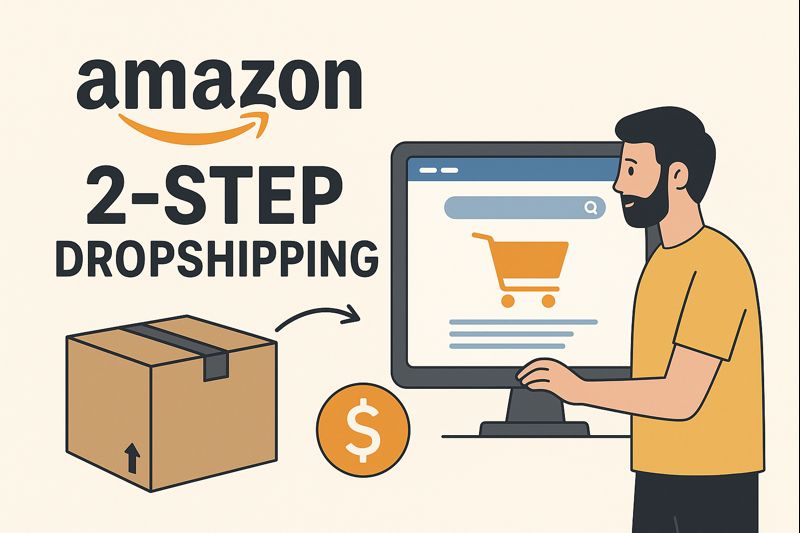
Amazon DropShipping is an eCommerce business model where you sell products on Amazon without holding inventory. Instead of storing products yourself, you purchase the item from a third-party supplier only after a customer places an order. The supplier then ships the product directly to the customer.
This model is popular because it allows sellers to start with minimal upfront investment, making Amazon DropShipping attractive to beginners and experienced sellers alike.
How the Amazon DropShipping Model Functions
Here’s how the process works step by step:
- You list products on Amazon under your seller account
- A customer places an order
- You forward the order details to your supplier
- The supplier ships the product to the customer
- You earn the price difference as profit
Sounds simple, right? Well, there’s more to it—especially when it comes to Amazon’s rules.
Is Amazon DropShipping Legal and Allowed in 2025?
Amazon DropShipping Policies Explained
Yes, Amazon DropShipping is allowed, but only if you follow Amazon’s strict policies. According to Amazon’s official policy, you must be the seller of record, meaning:
- Your name must appear on invoices and packing slips
- No third-party branding is allowed
- You are responsible for returns and customer support
You can review Amazon’s official policy here:
👉 https://sellercentral.amazon.com/help/hub/reference/G200386300
What Is Allowed vs. What Is Prohibited
✅ Allowed:
- Buying from wholesalers or manufacturers
- Using private suppliers without branding
❌ Prohibited:
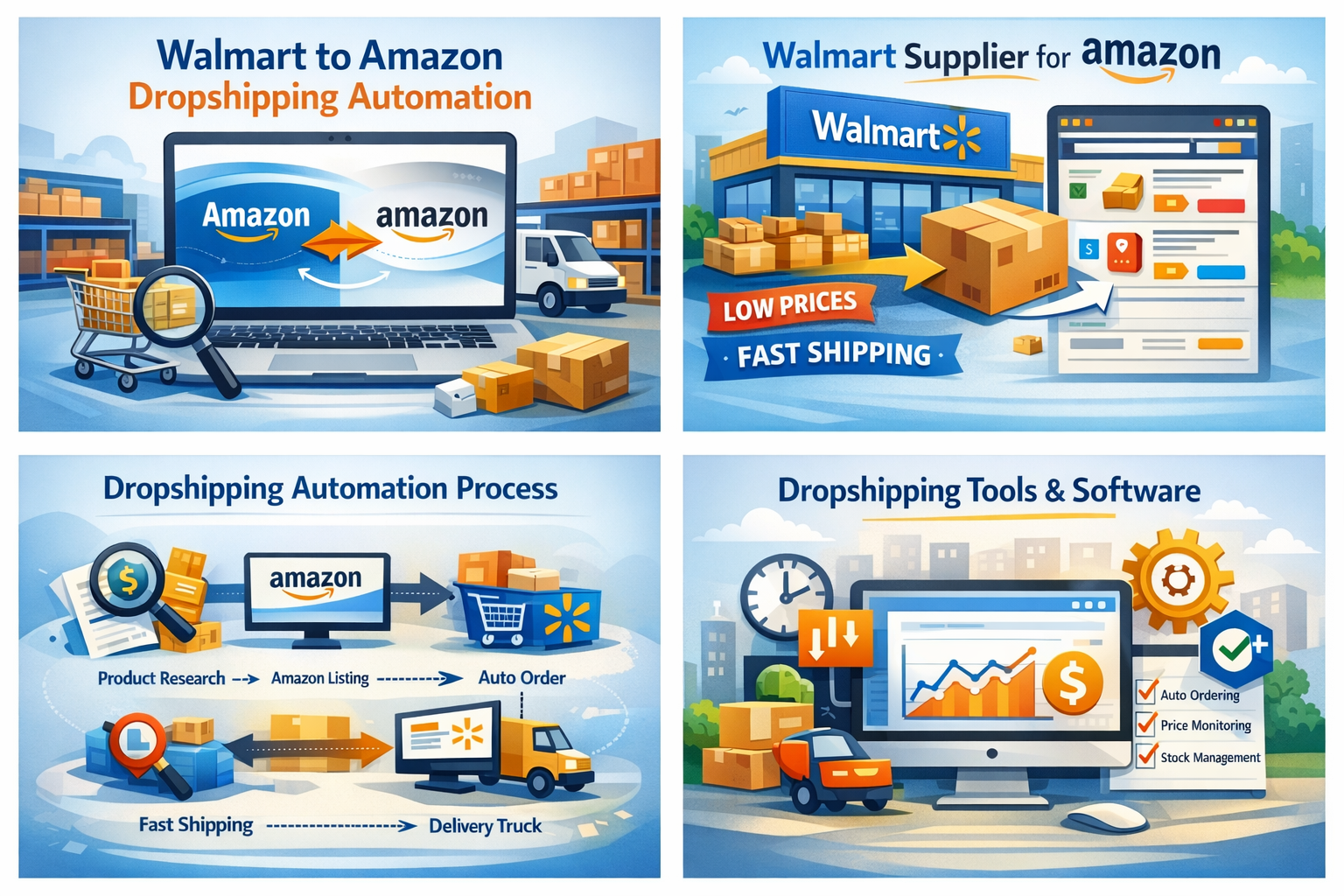
- Retail arbitrage dropShipping (e.g., Walmart to Amazon)
- Using supplier invoices or logos
- Shipping with another retailer’s packaging
Breaking these rules can result in account suspension, so compliance is critical.
Pros and Cons of Amazon DropShipping
Key Advantages of Amazon DropShipping
- Low startup costs
- No inventory storage
- Flexible and location-independent
- Easy to test products
- Scalable with automation tools
Common Risks and Challenges
- Thin profit margins
- Supplier reliability issues
- Strict Amazon policies
- High competition
- Limited control over shipping times
Understanding both sides helps you set realistic expectations.
Step-by-Step Guide to Start Amazon DropShipping
Creating an Amazon Seller Account
Start by choosing between:
- Individual Plan (no monthly fee, per-sale fee)
- Professional Plan ($39.99/month, ideal for scaling)
Product Research and Niche Selection
Focus on:
- Consistent demand
- Low competition
- Products priced between $15–$50
- Lightweight and non-fragile items
Tools like Jungle Scout or Helium 10 can help identify profitable products.
Finding Reliable DropShipping Suppliers
Good supplier options include:
- Wholesalers
- Manufacturers
- Private-label suppliers
Always test suppliers before listing products.
Listing Products on Amazon
Optimize listings using:
- Keyword-rich titles
- Bullet points with benefits
- Clear product descriptions
- High-quality images
Order Fulfillment and Customer Service
You must:
- Track orders
- Handle returns
- Respond to customers promptly
- Maintain performance metrics
Amazon holds you fully accountable.
Best Product Categories for Amazon DropShipping
Low-Risk and High-Demand Products
Popular categories include:
- Home & Kitchen
- Pet supplies
- Office accessories
- Fitness gear
- Phone accessories
Avoid restricted or branded items as a beginner.
Pricing Strategy and Profit Margins
Amazon Fees and Cost Breakdown
Common fees include:
- Referral fees (8%–15%)
- Monthly seller fees
- Shipping costs
- Refund and return costs
Aim for at least 20–30% profit margin to stay profitable.
Amazon DropShipping vs FBA vs FBM
Which Model Is Best for Beginners?
- DropShipping: Low cost, high risk
- FBA: Higher fees, more automation
- FBM: Full control, more work
Amazon DropShipping is great for testing products before switching to FBA.
Tools and Software for Amazon DropShipping
Product Research Tools
- Jungle Scout
- Helium 10
- AMZScout
Order Automation Tools
- AutoDS
- EcomDash
- Inventory Source
These tools save time and reduce errors.
Common Mistakes to Avoid in Amazon DropShipping
- Violating Amazon policies
- Choosing unreliable suppliers
- Ignoring customer messages
- Poor pricing strategy
- Selling restricted products
Avoiding these mistakes protects your account.
Scaling and Long-Term Growth Strategies
- Transition winning products to FBA
- Build supplier relationships
- Create a private label
- Expand to international marketplaces
- Optimize listings continuously
Scaling takes patience and consistency.
FAQs About Amazon DropShipping
1. Is Amazon DropShipping profitable in 2025?
Yes, if done correctly with compliant suppliers and smart product selection.
2. Can beginners start Amazon DropShipping?
Absolutely. It’s one of the easiest Amazon business models to start.
3. Do I need a business license?
It depends on your country, but it’s recommended for long-term growth.
4. How much money do I need to start?
You can start with as little as $100–$500.
5. Can I use AliExpress for Amazon DropShipping?
Yes, but shipping times and branding issues can be risky.
6. What happens if my supplier fails?
You are responsible—always have backup suppliers.
Final Thoughts on Amazon DropShipping
Amazon DropShipping remains a powerful entry point into eCommerce when done ethically and strategically. While it’s not a “get rich quick” model, it offers real opportunities for those willing to follow Amazon’s rules, research products properly, and focus on customer satisfaction.
If you treat it like a real business, stay compliant, and keep learning, Amazon DropShipping can become a strong foundation for long-term online success.